



Multi-Omics Integration
Biological systems operate across multiple molecular layers.
For this reason, analyzing only one molecular dataset may provide an incomplete representation of cellular processes.
Multi-omics integration combines complementary datasets to investigate relationships between:
Genome → Epigenome → Transcriptome → Proteome → Metabolome
This integrated perspective can help researchers investigate molecular regulation from genetic information through cellular function.
Multi-omics approaches are increasingly used in systems biology, disease research, developmental biology, cancer research and precision medicine.
The development of computational approaches for integrating heterogeneous datasets is therefore becoming an important component of modern molecular research.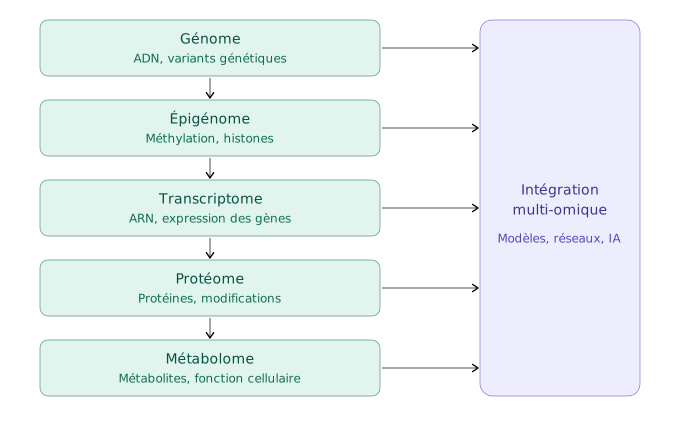
Proteomics and Cellular Function
Proteins are central components of cellular systems.
They act as enzymes, receptors, transporters, structural molecules, signaling components and regulatory factors.
Mass spectrometry-based proteomics has become an important approach for large-scale protein identification and quantification, supporting system-wide investigations across cell biology.
Proteomic research can investigate:
- Protein abundance
- Protein modifications
- Protein–protein interactions
- Cellular signaling
- Protein complexes
- Molecular pathways
- Functional responses
The integration of proteomic information with genomic and transcriptomic datasets provides additional perspectives on cellular regulation.
Metabolomics and Cellular States
Metabolism represents another important molecular layer of cellular organization.
Metabolomics focuses on the detection and characterization of small molecules produced or modified by cellular processes.
Mass spectrometry and nuclear magnetic resonance spectroscopy are among the technologies used for metabolomic investigations.
Cell-based metabolomics can provide information about metabolic mechanisms, cellular responses and changes associated with different biological conditions.
Applications include:
- Cellular metabolism
- Metabolic pathway analysis
- Drug-response research
- Cancer metabolism
- Energy regulation
- Metabolic phenotyping
- Systems biology
Spatial Proteomics and Metabolomics
The molecular organization of a cell is also spatial.
Proteins and metabolites can have distinct distributions within cells and tissues, and these distributions can change in response to biological signals.
Advances in mass spectrometry imaging and spatially resolved analytical technologies are making it possible to investigate proteins and metabolites while retaining spatial information.
Single-cell spatial proteomics and metabolomics are expanding the ability to connect molecular composition with cellular location and function.
This development contributes to a broader transition from molecular profiling toward spatially resolved molecular biology.

Proteomics and Cellular Function
Proteins are central components of cellular systems.
They act as enzymes, receptors, transporters, structural molecules, signaling components and regulatory factors.
Mass spectrometry-based proteomics has become an important approach for large-scale protein identification and quantification, supporting system-wide investigations across cell biology.
Proteomic research can investigate:
- Protein abundance
- Protein modifications
- Protein–protein interactions
- Cellular signaling
- Protein complexes
- Molecular pathways
- Functional responses
The integration of proteomic information with genomic and transcriptomic datasets provides additional perspectives on cellular regulation.
Metabolomics and Cellular States
Metabolism represents another important molecular layer of cellular organization.
Metabolomics focuses on the detection and characterization of small molecules produced or modified by cellular processes.
Mass spectrometry and nuclear magnetic resonance spectroscopy are among the technologies used for metabolomic investigations.
Cell-based metabolomics can provide information about metabolic mechanisms, cellular responses and changes associated with different biological conditions.
Applications include:
- Cellular metabolism
- Metabolic pathway analysis
- Drug-response research
- Cancer metabolism
- Energy regulation
- Metabolic phenotyping
- Systems biology

Spatial Proteomics and Metabolomics
The molecular organization of a cell is also spatial.
Proteins and metabolites can have distinct distributions within cells and tissues, and these distributions can change in response to biological signals.
Advances in mass spectrometry imaging and spatially resolved analytical technologies are making it possible to investigate proteins and metabolites while retaining spatial information.
Single-cell spatial proteomics and metabolomics are expanding the ability to connect molecular composition with cellular location and function.
This development contributes to a broader transition from molecular profiling toward spatially resolved molecular biology.

Artificial Intelligence in Molecular Biology
The increasing scale of biological datasets is creating new opportunities for artificial intelligence and machine learning.
AI-assisted approaches can support:
- Cell classification
- Molecular pattern recognition
- Gene expression analysis
- Image-based cellular analysis
- Multi-omics integration
- Biomarker discovery
- Spatial data interpretation
- Prediction of molecular interactions
Recent developments in single-cell and spatial omics increasingly combine computational models with multimodal molecular datasets.
The objective is not simply to generate larger datasets, but to transform complex molecular measurements into interpretable biological information.
Computational Cellomics
Large-scale molecular datasets require computational approaches capable of processing, integrating and interpreting complex information.
Computational cellomics combines:
- Bioinformatics
- Statistical analysis
- Machine learning
- Data integration
- Network analysis
- Molecular modelling
- Artificial intelligence
- Visualization
Computational approaches are particularly important for single-cell and spatial datasets, where large numbers of cells, genes and molecular features must be analyzed simultaneously.
Data analysis pipelines can include:
Data Generation → Quality Control → Normalization → Feature Identification → Clustering → Molecular Annotation → Multi-Omics Integration → Biological Interpretation


Molecular Networks and Cellular Regulation:
Cellular processes are organized through interconnected molecular networks.
These networks include:
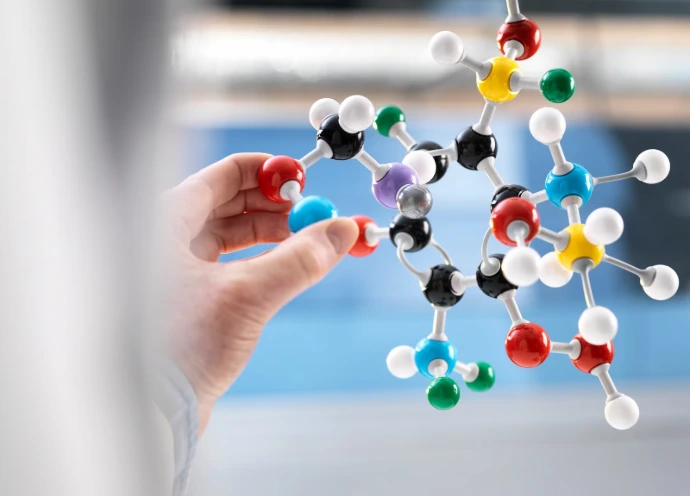
Gene Regulatory Networks
Interactions between transcription factors, regulatory elements and genes influence cellular identity and activity.

Metabolic Networks
Metabolic pathways regulate energy production, biosynthesis and cellular adaptation.
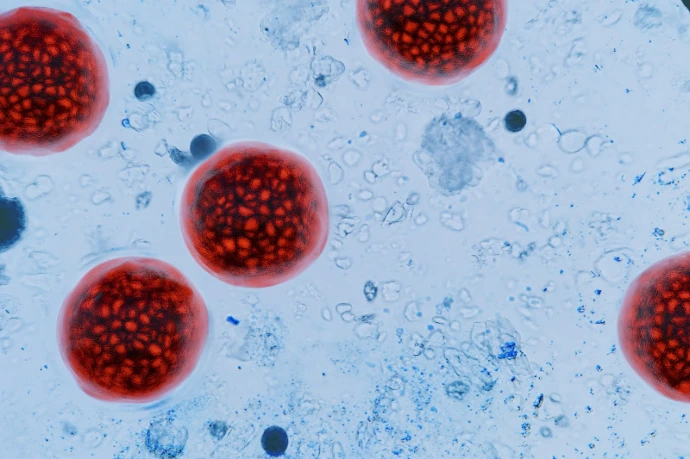
Signaling Networks
Receptors, kinases, transcription factors and other signaling components coordinate cellular responses.
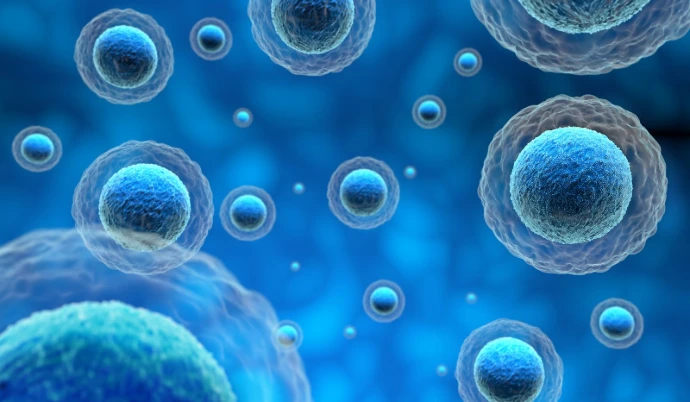
Cell–Cell Communication Networks
Cells communicate through molecular signals that influence tissue organization and physiological responses.
Integrating these networks with multi-omics measurements can provide a systems-level view of cellular regulation.
Cellomics in Biological Research
Molecular and cellular profiling technologies can support research across numerous biological disciplines.
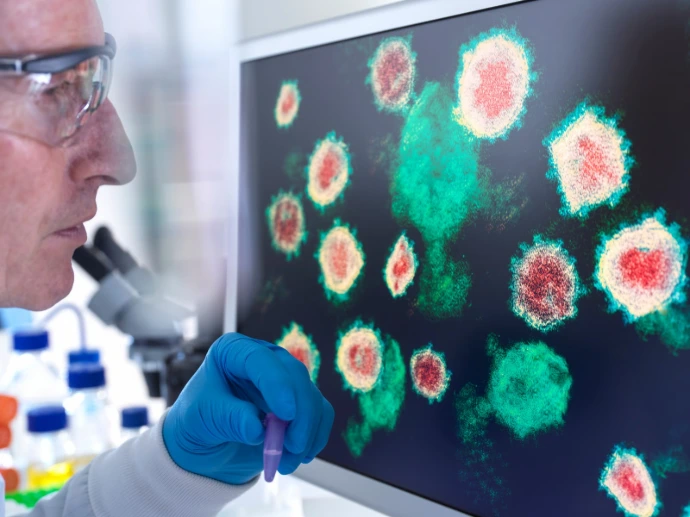
Developmental Biology
Single-cell and spatial approaches can reveal molecular transitions occurring during cellular differentiation and tissue development.
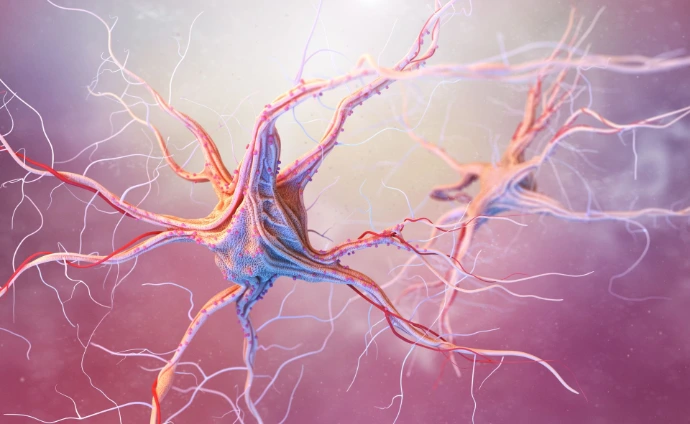
Neuroscience
Molecular profiling can help characterize neuronal populations, cellular states and interactions within complex nervous tissues.
Immunology
Cellular profiling can identify immune-cell populations, activation states and molecular interactions.
Molecular Pharmacology
Omics datasets can contribute to the investigation of molecular responses to compounds and changes in cellular pathways.
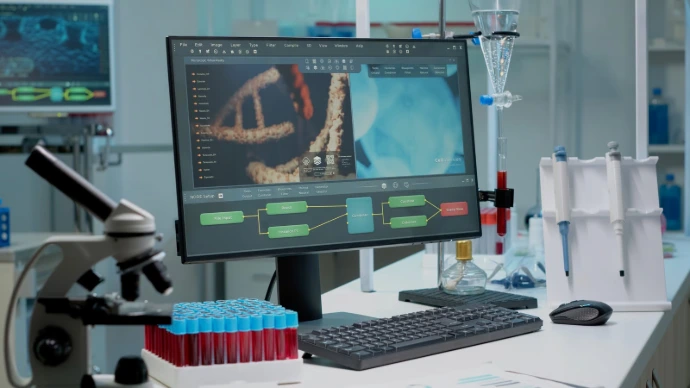
Systems Biology
Multi-layer datasets can be integrated to model biological systems and investigate relationships between molecular components.
Decoding Cells. Connecting Molecules. Revealing Biology.
Biology is no longer explored one molecular layer at a time. Molecular Orchestration of Cellomics connects single-cell technologies, multi-omics, spatial biology, computational analysis and molecular networks to explore how cells function, communicate and adapt.
By bringing complex biological data into a connected perspective, cellomics opens new ways to understand cellular systems — from individual molecular signals to the organization of entire biological environments.
Explore the molecules. Map the cells. Connect the biology.